
Sustainable packaging in skincare
Key Takeaways
- Sustainable packaging minimizes the environmental impact of skincare products.
- Biodegradable, recyclable, and reusable materials provide eco-friendly options.
- Brands are increasingly adopting sustainable practices in packaging to appeal to eco-conscious consumers.
- Each type of sustainable packaging has its benefits and challenges.
The skincare industry has been significantly evolving, particularly in how products are packaged. Sustainable packaging is not just a trend, but a necessary shift towards minimizing our environmental footprint. In this article, we will explore the importance of sustainable packaging, the options available, and the advantages of each. Let's dive in!
Why is sustainable packaging important?
As consumers become more aware of the environmental issues surrounding plastic waste and unsustainable production practices, the demand for sustainable packaging in skincare has soared. Here are some reasons why sustainable packaging is crucial:
- Reduced environmental impact: Sustainable packaging reduces waste, pollution, and the depletion of natural resources.
- Consumer demand: Eco-conscious consumers are seeking products with sustainable packaging to align with their values.
- Brand reputation: Companies that prioritize sustainability can enhance their brand image and loyalty.
Types of sustainable packaging options
| Type of Packaging | Description | Benefits | Challenges |
|---|---|---|---|
| Biodegradable Materials | Materials that decompose naturally in the environment. | Less impact on landfills, often made from natural sources. | May not break down in a landfill environment. |
| Recyclable Packaging | Materials that can be processed and reused for new products. | Reduces waste and encourages recycling habits. | Depends on local recycling facilities. |
| Reusable Containers | Containers that can be repurposed for other uses, encouraging second-hand use. | Reduces the need for new packaging materials. | Requires consumer education on reuse. |
| Refillable Systems | Packaging that allows consumers to purchase refills for their products. | Minimizes waste and promotes sustainability. | Higher upfront costs for reusable containers. |
1. Biodegradable materials
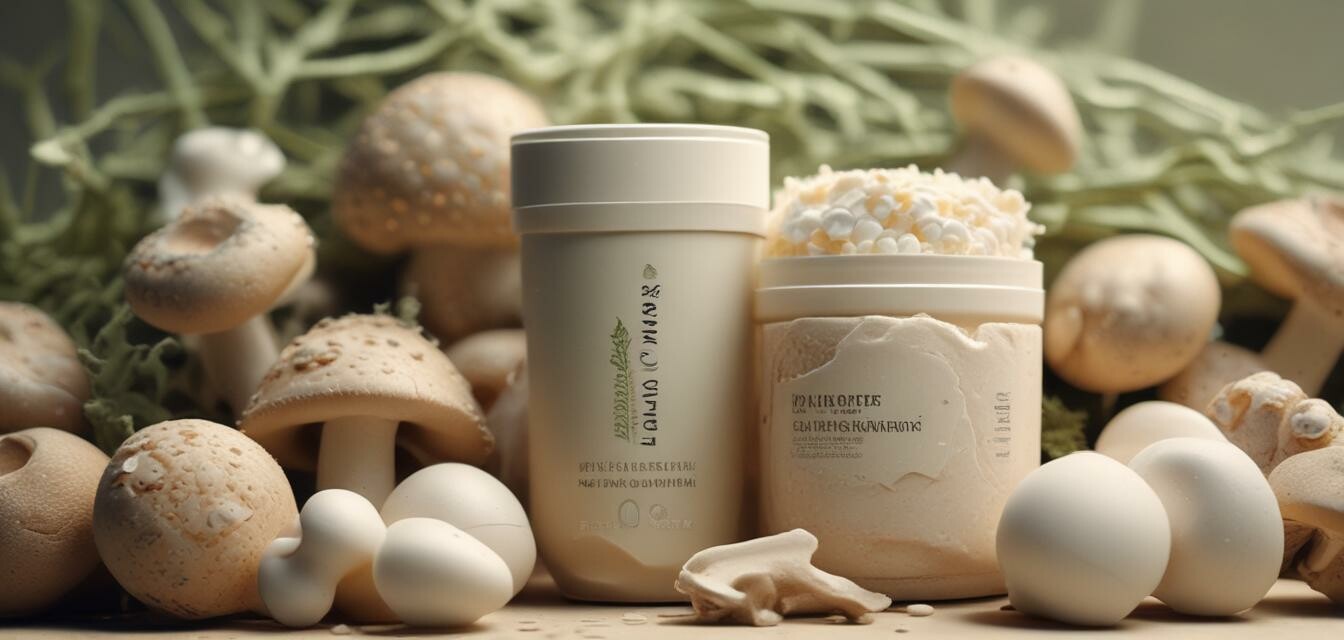
Biodegradable materials are designed to break down in the environment. Common examples include cornstarch packaging and mycelium-based solutions, which are derived from mushrooms.
2. Recyclable packaging
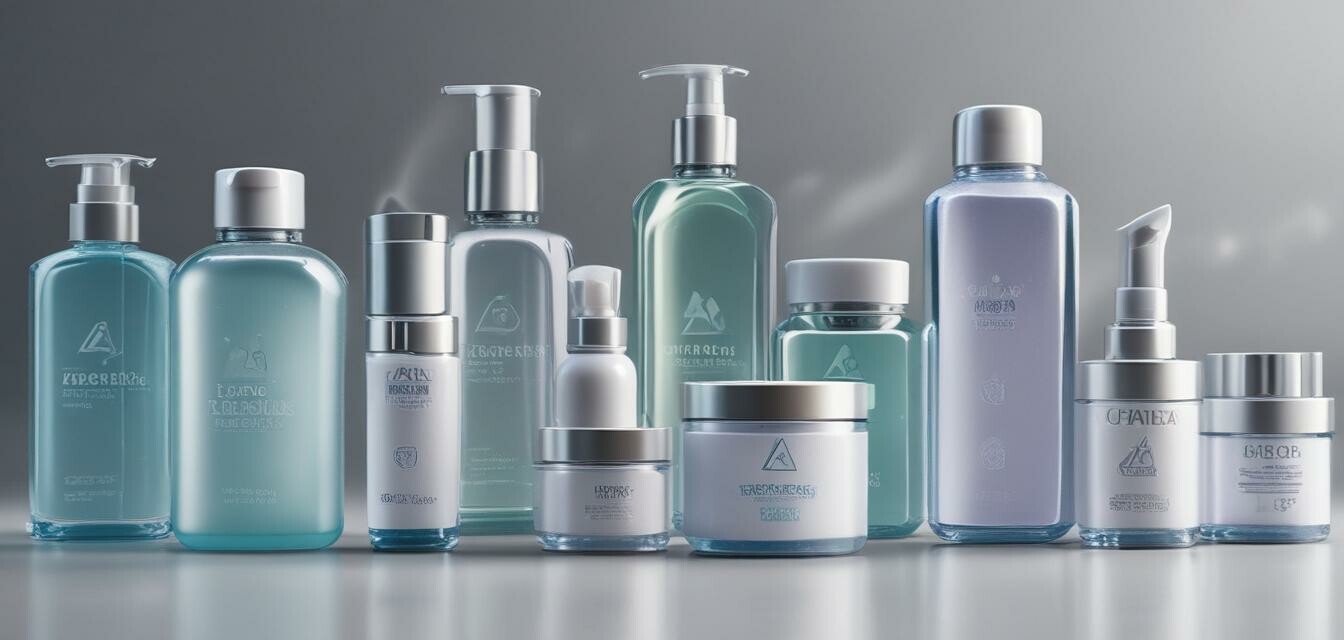
Many skincare products come in recyclable packaging, such as glass, aluminum, and selected plastics. Always check for recycling symbols to confirm if it's recyclable.
3. Reusable containers
Reusable containers are an excellent way to promote longevity in skincare products. Customers can refill these containers or repurpose them for other uses, reducing waste.
4. Refillable systems
Refillable systems are gaining popularity, allowing consumers to purchase their favorite products in eco-friendly refills instead of new containers. This not only reduces waste but also encourages conscious purchasing habits.
Brand initiatives promoting sustainable packaging
| Brand | Initiative |
|---|---|
| Brand A | Utilizes glass packaging and a refill station in stores for convenience. |
| Brand B | Introduced 100% biodegradable packaging made from natural materials. |
| Brand C | Offers incentives for customers who return used containers for a refill. |
Challenges of sustainable packaging
While sustainable packaging has numerous benefits, it also presents challenges that brands must navigate:
- Cost: Sustainable packaging materials can be more expensive than conventional options.
- Consumer awareness: Some consumers may not understand the importance of sustainable packaging.
- Quality perception: Customers might perceive eco-friendly products as less effective.
Future trends in sustainable packaging for skincare
The future of sustainable packaging in the skincare industry looks promising. Emerging trends include:
- Innovative materials: Development of new biodegradable materials that are both functional and eco-friendly.
- Global regulations: Increased governmental regulations pushing brands towards sustainability.
- Consumer education: Brands increasing awareness about the importance of sustainable practices.
How to choose sustainably packaged skincare products
As a consumer, selecting sustainably packaged skincare products can be straightforward. Here are some tips:
Tips for beginners
- Look for labels that indicate biodegradable or recyclable packaging.
- Research brands and their sustainability practices.
- Support brands that offer refillable or reusable systems.
Conclusion
Sustainable packaging in skincare is essential for reducing waste and promoting a healthier planet. By making informed choices, consumers can support brands that prioritize sustainable practices. Let's embrace eco-friendly skincare and do our part in protecting our environment!
Pros
- Reduces the carbon footprint of skincare products.
- Encourages responsible consumption.
- Fosters brand loyalty among eco-conscious consumers.
Cons
- Often higher costs compared to traditional packaging.
- Varied consumer understanding of sustainable practices.